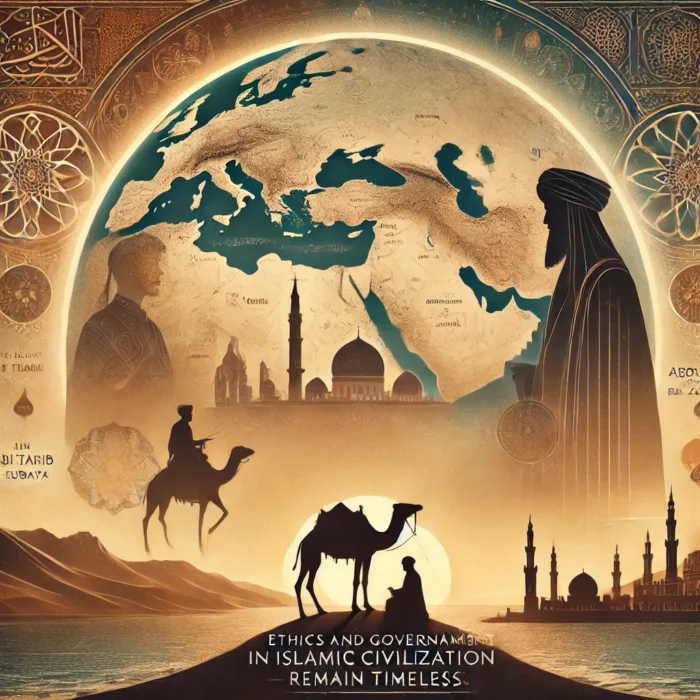
The Moral Balance in Islamic Civilization: Ethics vs Secularism
Explore how Islamic civilization's moral framework influenced governance, law, and historical decisions, and its relevance to today's moral challenges.
KEEP READING
Explore how Islamic civilization's moral framework influenced governance, law, and historical decisions, and its relevance to today's moral challenges.
KEEP READING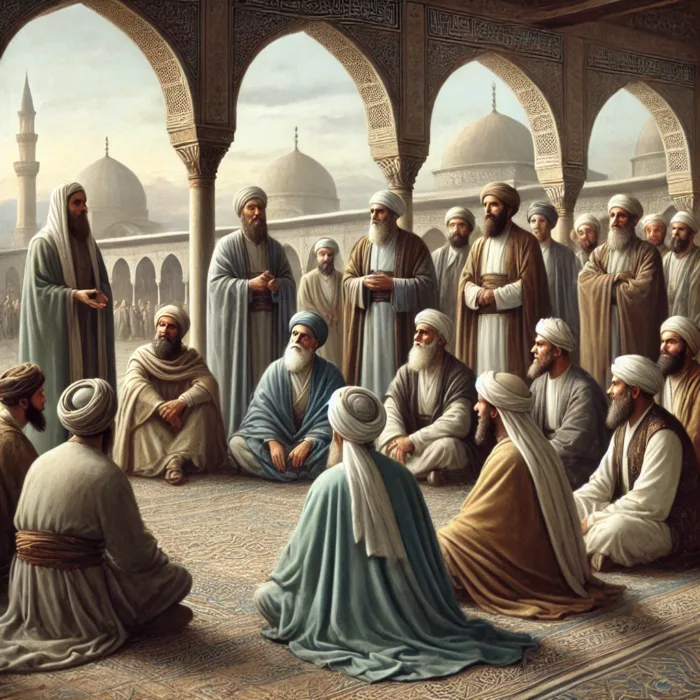
Explore the foundations of Islamic political authority and how it established a unique system of governance, distinct from both historical and modern models. Discover the three key features that define Islamic governance throughout history.
KEEP READING
The Islamic moral system prioritizes ethical values and individual welfare, contrasting with secularism's focus on state stability. While colonialism sought to weaken these principles, Islam’s emphasis on morality remains a foundation for true societal strength and divine accountability.
KEEP READING
Islamic jihad is essential in establishing the Islamic state, spreading justice, and liberating the oppressed. It remains a vital duty to protect faith and repel oppression.
KEEP READING
An in-depth analysis of the nation's rights in Islamic governance, exploring historical precedents from the Rightly Guided Caliphs and their relevance to contemporary politics.
KEEP READING
Discover how early Muslims chose leaders after the Prophet (PBUH) through consultation and consensus.
KEEP READING
This article starts a series on the Rightly Guided Caliphs, highlighting their just rule over a diverse state and how their example can inspire change today.
KEEP READING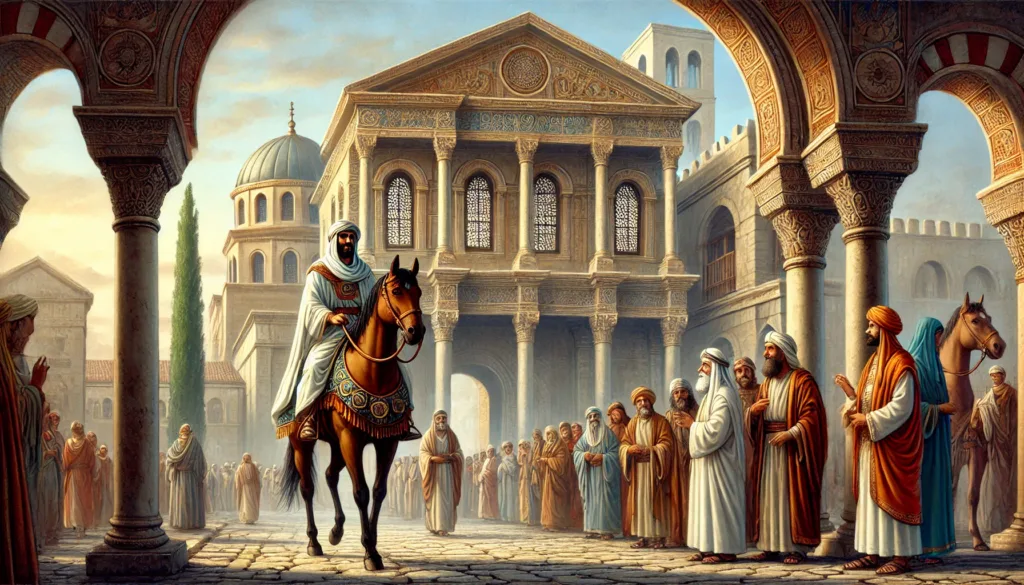
Discover how Prophet Muhammad (PbuH) exemplified administrative excellence through His choice of ambassadors, blending wisdom, charisma, and diplomacy.
KEEP READING
This article highlights the cultural and architectural innovations that transformed Madinah during the prophetic era, reflecting a period of remarkable progress under Prophet Muhammad (Peace be upon Him).
KEEP READING