Table of Contents
Introduction
Welcome to “Era of the Rightly Guided Caliphs“, a new series inspired by the insights of Mr. Mohamed Elhamy. This collection delves into the pivotal period following the Prophet Muhammad’s (Peace be upon Him) passing, exploring the leadership, challenges, and enduring legacy of the first four caliphs. Through these articles, we aim to provide a thoughtful examination of their contributions to Islamic governance, society, and ethics.
Read “Era of the Rightly Guided Caliphs” Series
Embark on a journey through the “Era of the Rightly Guided Caliphs“, where each article offers profound insights into the foundational years of Islamic leadership. This series invites you to explore themes such as the principles of governance, the role of jihad in Islamic policy, and the ethical frameworks that shaped early Islamic civilization. Each article below provides opportunities for reflection and inspiration, drawing from the timeless guidance of the Rightly Guided Caliphs.
Part 1 – The Era of the Rightly Guided Caliphs: A Glimpse into a Glorious Past
This article starts a series on the Rightly Guided Caliphs, highlighting their just rule over a diverse state and how their example can inspire change today.
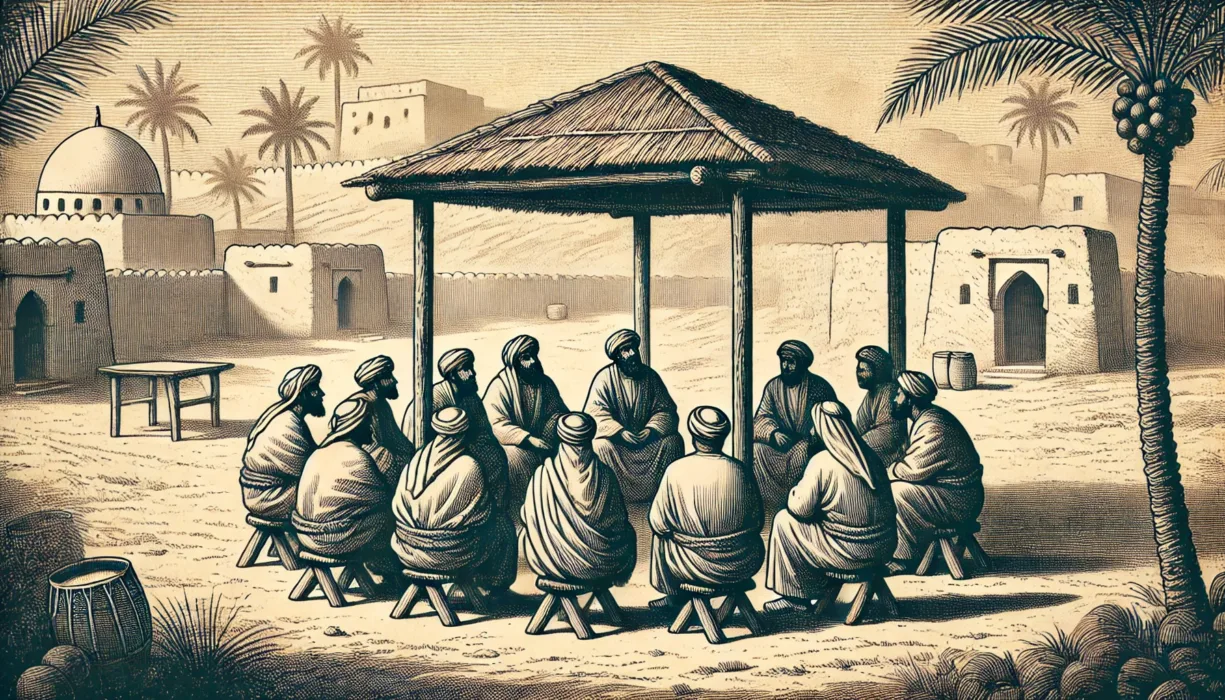
Part 2 – The Right of the Muslim Nation to Choose Their Leader: Lessons from the Rightly Guided Caliphs
Discover how early Muslims chose leaders after the Prophet (PBUH) through consultation and consensus.
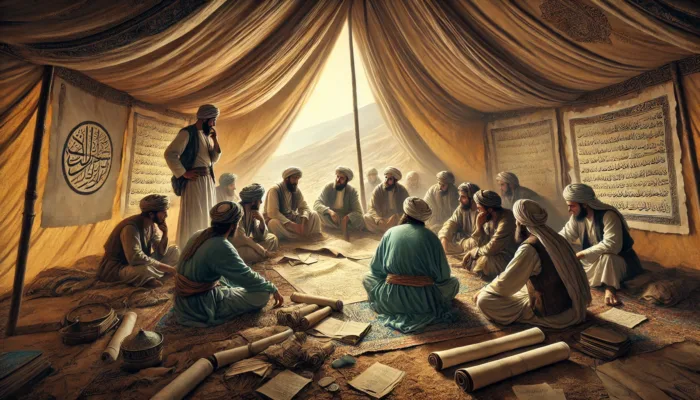
Part 3 – The Nation’s Rights to Monitor and Remove Rulers: A Study in Islamic Political Governance
An in-depth analysis of the nation’s rights in Islamic governance, exploring historical precedents from the Rightly Guided Caliphs and their relevance to contemporary politics.
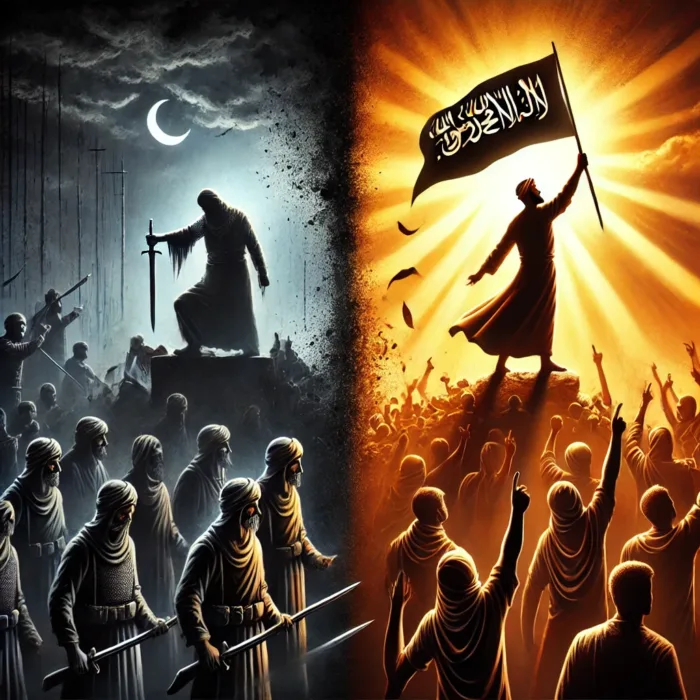
Part 4 – The Role of Islamic Jihad in Establishing Justice and Liberating the Oppressed
Islamic jihad is essential in establishing the Islamic state, spreading justice, and liberating the oppressed. It remains a vital duty to protect faith and repel oppression.
Part 5 – Islamic vs Secular Social Systems: A Study in Moral Governance
The Islamic moral system prioritizes ethical values and individual welfare, contrasting with secularism’s focus on state stability.
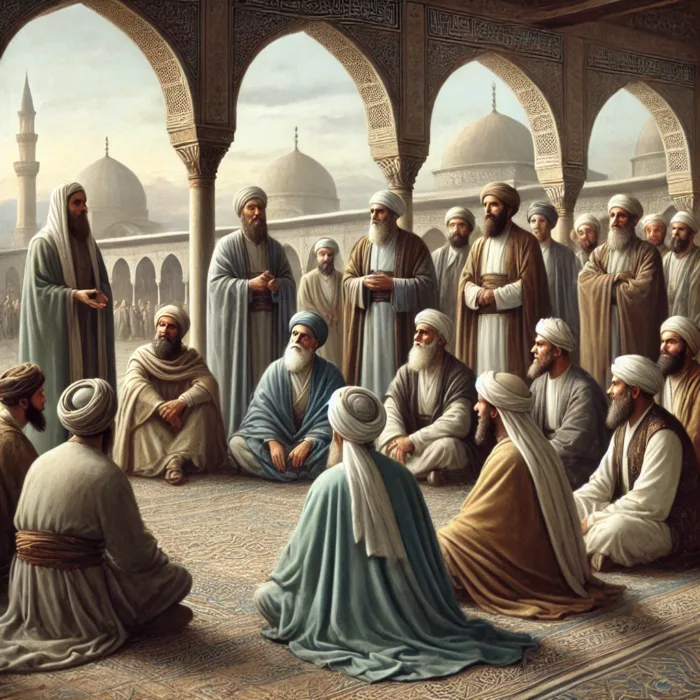
Part 6 – Islamic Political Authority: Origins, Legitimacy, and Distinctive Features
Explore the foundations of Islamic political authority and how it established a unique system of governance, distinct from both historical and modern models.
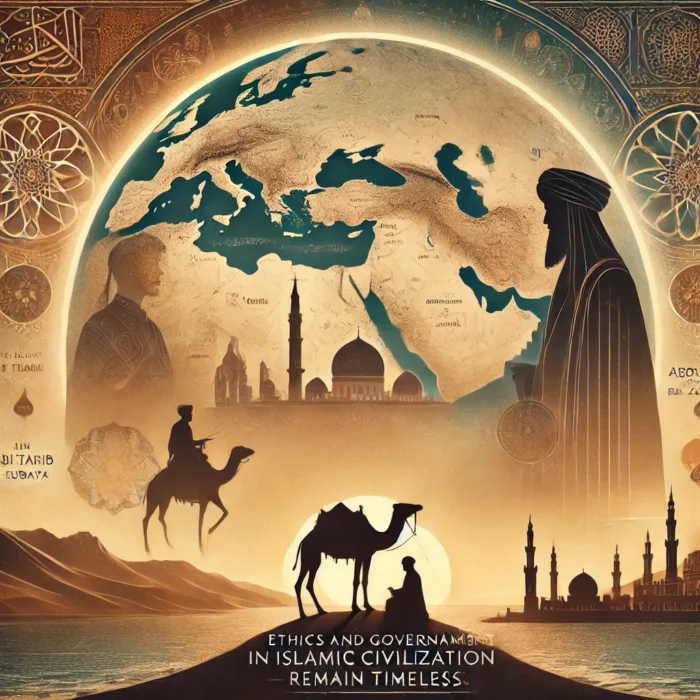
Part 7 – The Moral Balance in Islamic Civilization: Ethics vs Secularism
Explore how Islamic civilization’s moral framework influenced governance, law, and historical decisions, and its relevance to today’s moral challenges.
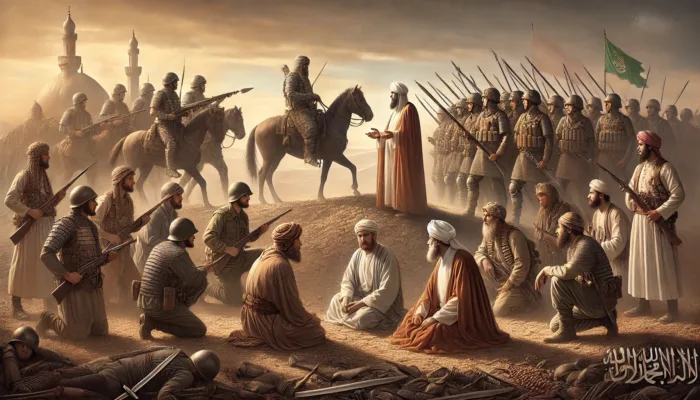
Part 8 – The Ethics of Battle in Islamic History: From the Rightly Guided Caliphs to Modern Times
Uncover how the Rightly Guided Caliphs revolutionized warfare ethics, shaping humanitarian principles that influenced military conduct for centuries.

Part 9 – The Humanistic Focus of Islamic Civilization: A Study of the Rightly Guided Caliphate Era
How Islamic civilization prioritized human dignity over material progress during the Rightly Guided Caliphate, establishing unprecedented standards for human rights and justice.
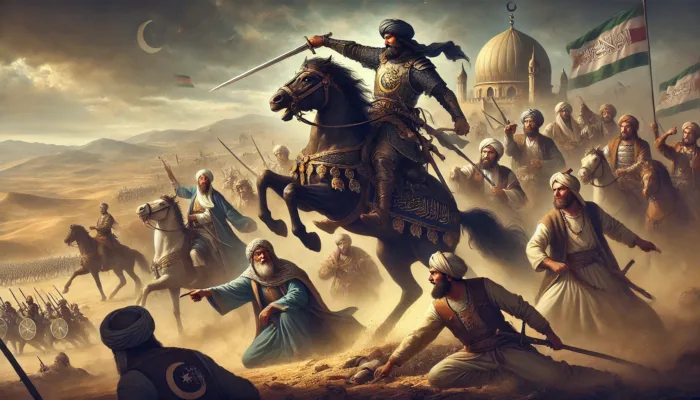
Part 10 – Heroes of the Early Islamic State: Military Brilliance and Diplomatic Mastery
Explore the untold stories of early Islamic heroes whose military brilliance, diplomatic skill, and psychological warfare shaped history.
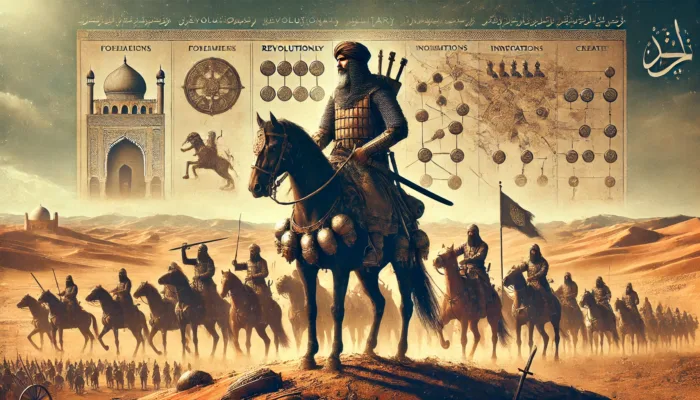
Part 11 – Revolutionary Military Innovations of the Early Islamic Conquests
A detailed exploration of the ingenious military innovations developed during the early Islamic conquests, showcasing how Muslim commanders revolutionized warfare through tactical creativity and strategic thinking.
Part 12 – The Unique Historical Legacy of the Four Righteous Caliphs: A Study in Leadership Excellence
An in-depth examination of the Four Righteous Caliphs’ historical contributions, leadership style, governance methods, and lasting impact on Islamic civilization and world history.
Part 13 – The Legacy of Islamic Leadership: Lessons in Selfless Devotion from Early Muslim History
This article highlights how the selfless leadership of the Rashidun Caliphs and military commanders shaped the success of the Muslim ummah, offering lessons in prioritizing the collective good over personal ambition.
Part 14 – The Battle of Nahrawan: How Ali ibn Abi Talib Confronted the First Islamic Extremist Movement (Kharijites)
An analysis of Ali ibn Abi Talib’s conflict with the Kharijites, covering its origins, theological debates, and the decisive battle in early Islamic history.
Part 15 – The Rise of Shia Ideology: From Historical Roots to Religious Division
A comprehensive examination of how Shia ideology emerged in early Islamic history, tracing its origins from ancient kingdoms to its development during Ali’s caliphate, and analyzing its impact on Islamic unity and doctrine.
Why This Series Matters
This series has been carefully crafted to shed light on the profound wisdom and subtle insights from the era of the Rightly Guided Caliphs—lessons that are often overlooked but hold timeless value for both personal and communal growth. Each article examines key aspects of their leadership, highlighting their deep compassion, unwavering determination, and clear vision. These qualities offer a meaningful model that we can draw from in our everyday lives.
By connecting historical events to modern challenges, this series inspires readers to reflect on the enduring relevance of the caliphs’ guidance. Their lives go beyond being historical accounts; they serve as a lasting source of inspiration that can strengthen our faith, bolster our resilience, and guide our relationships, promoting unity and shared purpose within our communities.
Engage with “Era of the Rightly Guided Caliphs”
We invite you to immerse yourself in this thought-provoking series and actively engage with its content. Share your reflections, ask questions, and discuss the timeless lessons of the Rightly Guided Caliphs with others in your community. By participating in these conversations, you contribute to a deeper understanding of Islamic history and its relevance in our lives today. Let’s learn, reflect, and grow together.
Sources:
- Mohamed Elhamy. محمد إلهامي | عصر الخلافة الراشدة | 1. ما الذي يهمنا في فترة الخلافة الراشدة. YouTube Video.